

Assumption of Responsibility in Psychotherapy (Part 1): Acknowledging the Internal Sources of Our Suffering
 People come to psychotherapy for a variety of expressed reasons (what are sometimes called “presenting concerns” by clinicians): symptoms of depression, overwhelming anxiety, relationship difficulties, anger issues, addictions, intrusions of traumatic memories – the list goes on and on. In short, people tend to seek out psychotherapy when they are experiencing significant suffering and are unsure of what to do about it on their own.
There are many sources of pain and suffering in life. Many stressors come from the outside world, such as systemic and societal inequities and injustices, natural disasters, war, and poor economic conditions. Some of them come from within our own bodies in the form of diseases, injuries, or other medical concerns. And in one form or another, a good deal of suffering emanates from difficulties in interpersonal relationships.
It’s natural for many of us to seek out the support of other people when we are in pain or suffering (although some people struggle with seeking out and accepting help from others). It’s often comforting to have someone provide us with a listening ear to support us, validate our experiences, and help us feel less alone. But supportive listening and counselling alone are not the same things as psychotherapy.

Dr. Jonathan Shedler
I’ve recently become a fan of a psychologist named Jonathan Shedler who lays out what psychotherapy is really about at its core: psychological change. Said another way, Shedler explains that the purpose of psychotherapy to help the person change something about themselves that is:
1) causing difficulties or limitation,
2) that they desire to change about themselves, and
3) that psychotherapy can realistically help them to change about themselves
This definition of psychotherapy may take some people aback when they think that therapy is simply about talking to someone who will listen to them nonjudgmentally and provide a safe space for them to vent their concerns. While reserving judgment and providing a sufficient sense of emotional, relational safety are necessary components of effective psychotherapy, they are usually not in and of themselves sufficient ingredients for change.
One necessary and sometimes overlooked ingredient of effective psychotherapy is that the person seeking therapy (i.e. the client/patient) needs to acknowledge that there may be something about themselves that is contributing to their own suffering. This is not the same as saying that the client is the sole source of pain and suffering in their lives; all of us experience hurt in life to some extent through no fault of our own. What psychotherapy helps us to look at, however, are the ways in which we unnecessarily compound our own suffering, often in ways that aren’t readily apparent to us.
Said another way, in order for someone to benefit from psychotherapy, they must assume a degree of responsibility for the ways in which they contribute to their own suffering. This assumption of responsibility does not condone harms done by others or deny the harsh realities of the world we live in. It is, however, the acknowledgement that the only thing we truly have any control over in a psychotherapeutic context is the capacity to change things about ourselves so that we can heal and grow as human beings.
As Victor Frankl wrote in Man’s Search for Meaning:
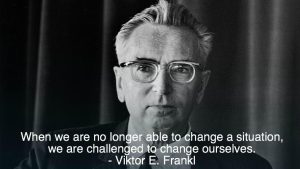
Changing aspects of ourselves may be among the hardest things to do as human beings, but the lifelong dividends that we receive for the hard work we put in can truly alter the course and quality of our lives.
One last word about the word responsibility: it is not the same as blaming (people often collapse these two ideas). I found it useful years ago when the word responsibility was broken down for me into its two root words: respond and ability. Said another way, to assume responsibility means to acknowledge that we have some ability to choose how we respond to our circumstances. Effective psychotherapy can help us to develop this capacity within ourselves so that we have more choices available to us (as opposed to reacting automatically – without consciously choosing our response – and being at the effect of the consequences of our own reactions).